
Guides
Natural Stone Bracelet: Choose, Wear & Care

A natural stone bracelet can feel quietly personal, but the right choice takes more than picking a pleasing color. The stone, bead quality, cord, fit, and maker all shape the piece. I use these steps when choosing a bracelet for myself, a collector, or a thoughtful gift.
Step 1: Identify the Stone, Craftsmanship, and Intended Meaning
Start by naming the stone in your natural stone bracelet, then decide what you want the piece to express. Color alone isn't enough. A blue bead might suggest calm to one person, while its surface pattern or cultural meaning speaks more strongly to someone else.
Look closely at the beads. Natural stone often has small changes in tone, grain, clouding, or inclusion. Those marks give each bead its own face. Perfectly identical beads may point to glass, dyed material, or a manufactured substitute, though uniformity by itself doesn't prove a bracelet is fake.
Collectors should also inspect the craft around the stone. Is the cord hand-braided? Does the knot sit neatly? Are the bead holes clean? Does the bracelet feel balanced on the wrist? A stone can be genuine while the finished piece is poorly made.
When I assess a bracelet for Pilardi, I look at the whole object rather than the bead name alone. Our handmade gemstone bracelets are made by artisans in Isfahan, then curated and shipped from Paris. Each Pilardi piece is one-of-one, so small differences are part of its identity.
| What to inspect | What to look for | Why it helps |
|---|---|---|
| Stone surface | Natural grain, small inclusions, varied tone | Gives clues about the material and its character |
| Bead shape | Even polish without a perfectly copied look | Shows how the beads were cut and finished |
| Cord or macramé | Clean joins, firm braid, no loose ends | Shows care in the final construction |
| Meaning | A personal symbol, gift purpose, or design link | Keeps the choice grounded in your own use |
| Maker | Clear information about place and process | Helps you judge provenance before purchase |
Gemstone is a broad term, not a guarantee of rarity or value. Wikipedia's definition of gemstone describes the term as a mineral, rock, or organic material used for adornment. That broad scope explains why bracelet materials can look and behave so differently.
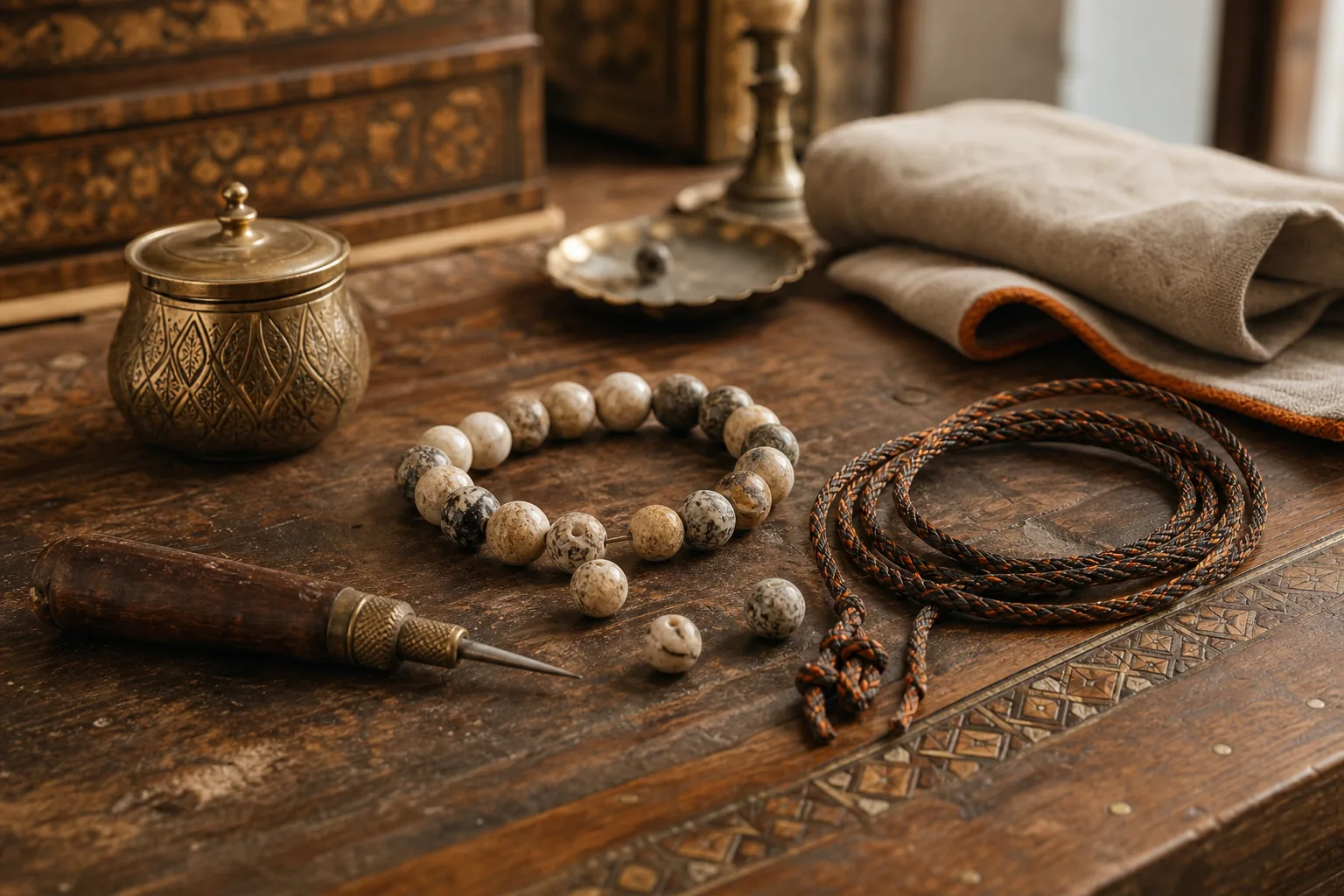
Choose meaning with care. Many crystal traditions associate amethyst with calm or reflection, tiger's eye with courage, aquamarine with clear speech, and obsidian with protection. These are symbolic and spiritual associations, not medical claims. Treat them as a way to set an intention, not as a replacement for health care.
By now you should have: a named stone, a clear reason for wearing it, and a short note about the bracelet's craft and maker.
Step 2: Check Whether the Bracelet Uses Genuine Natural Stone
Before you buy a natural stone bracelet, test what you can and ask the seller what you can't verify at home. No single home test proves authenticity. A good check combines sight, touch, weight, and honest product information.
Start with the surface
Hold the beads under soft daylight. Look for internal clouding, uneven color, fine lines, or other small features within the material. Natural stones can have flaws. That isn't a defect. In many cases, those flaws help distinguish stone from glass.
Be cautious with color that looks too bright or too even. Some stones are dyed or heat-treated. Treatment isn't always wrong, but it should be disclosed. If a seller calls a bead natural while avoiding questions about dye, heat, coating, or composite material, pause before buying.
Use touch and weight as clues
Place the bracelet in your hand. Many stone beads feel cool at first and warm slowly. Glass can also feel cool, so temperature is only one clue. Plastic often feels lighter and warms faster, but bead size and cord weight can affect your impression.
Compare two bracelets only when their bead size and bead count are similar. A heavier bracelet may contain denser material, yet weight alone cannot identify a particular stone. The safest use of this test is to flag a suspiciously light piece for more questions.
Inspect the holes and edges. A drilled natural bead may show slight variation around the hole. A glass bead may show a seam or round air bubbles. These signs aren't universal, so don't scratch, burn, or use harsh chemicals on a bead you value.
Be careful with alcohol and scratch tests
A small amount of rubbing alcohol on a hidden area may reveal loose dye on some treated beads, but it can also affect finishes, cord, or coatings. Ask the seller first. Never use a knife or metal file to test hardness. You can damage a genuine stone and still learn very little.
Mineral identity depends on structure and composition, not on a bracelet's price or a seller's use of words such as “energy” or “premium.” The mineral definition on Wikipedia gives the basic distinction: a mineral has a naturally occurring, ordered structure and chemical composition. A home check can raise questions, but a lab test is the stronger route for a rare or costly specimen.
Online photos make the task harder. Screen color changes from one device to another, and photography can hide inclusions. Ask for a close photo in daylight. Request the exact stone name, any known treatment, bead size, and the maker's sourcing information.
By now you should have: a short authenticity checklist and a reason to seek better proof when a bracelet is expensive, unusually clear, or intensely colored.
Step 3: Choose the Right Fit, Cord, and Wearing Hand
A natural stone bracelet should sit securely without pinching. Fit affects comfort, cord strain, and how often the beads strike hard surfaces during daily wear.
Measure your wrist
Wrap a soft tape around the wrist where you plan to wear the bracelet. If you don't have one, use a strip of paper, mark the overlap, then measure the strip with a ruler. Keep the tape close to the skin, but don't pull it tight.
Add room based on the design. A close fit suits a neat single strand. A looser fit gives larger beads more movement. Adjustable macramé can help when the bracelet is a gift or when several people may wear it.
Look at the cord as part of the design. Stretch cord is easy to put on, but repeated pulling weakens it. Macramé cord can give a more tailored fit and a visible hand-braided texture. Thin cord may suit small beads, while larger beads need holes that can take the cord without sharp rubbing.
Choose the left or right hand
There is no medical rule that makes one wrist correct. In crystal traditions, people often wear stones on the left hand when they want to focus on receiving or inward reflection. Some wear dark stones on the right hand as a symbol of release or outward action.
Use that tradition as a personal prompt, not a promise. If you're right-handed, a bracelet on your left wrist may face less contact with tools, desks, and door frames. If the bracelet gets in the way, move it. Comfort is the better rule.
For a special piece, test the fit at home for a few minutes. Bend your wrist. Rest your hand on a desk. Check that the knot doesn't press into your skin. I prefer a bracelet that disappears into the rhythm of the day rather than one that needs constant adjustment.
If you want to explore the symbolism of one popular stone, Pilardi's Tiger Eye Bracelet Meaning guide looks at meaning, wearing habits, care, and authenticity in more detail.
By now you should have: a measured wrist, a cord choice, and a wearing hand based on comfort and intention.
Step 4: Pair Stones Thoughtfully, and Make a Stretch Bracelet Safely
Pair stones by design first, then by personal meaning. A natural stone bracelet looks more considered when the colors, bead sizes, and surface finishes have room to breathe.
Pair by color and purpose
Try one dominant stone with one supporting stone. Amethyst with rose quartz creates a soft contrast between purple and pale pink. Aquamarine with rose quartz gives a cool and warm balance. Tiger's eye can sit well beside darker stones when you want a grounded palette.
For a quiet look, keep the beads close in value, meaning they share a similar lightness or darkness. For a stronger graphic effect, use one contrast bead at the center. Avoid adding many symbolic stones just because they are available. Too many meanings can make the bracelet feel busy.
Crystal pairing traditions also include warnings about combinations that may feel too intense or confusing to some wearers. Amethyst with clear quartz is often described as focused and reflective, but some people find the combination overstimulating. Tiger's eye with a stone associated with high spiritual energy may feel too strong for a sensitive wearer.
These ideas are matters of belief, not tested effects. Wear one combination for a few days. If you dislike the feel or lose interest in the design, change it. You don't need to follow a fixed list of combinations.
Make a basic stretch bracelet
Use beads with holes wide enough for the cord. Natural stone beads can have narrow or uneven holes, so test one bead before stringing the full pattern.
- Measure your wrist and set the beads in order on a cloth.
- Cut extra stretch cord, leaving enough room for a secure knot.
- Stretch the cord gently before stringing. This reduces later slack.
- String the beads while they remain on the spool or a long cord tail.
- Wrap the strand around your wrist before cutting. Remove or add a bead if the fit feels wrong.
- Cross the two cord ends and tie a firm knot. Pull slowly. A hard tug can snap the cord.
- Tie the knot again, then add a small amount of jewelry-safe adhesive if the cord maker allows it.
- Pull the knot into the bead with the widest hole. Trim the ends only after the knot sits safely inside.
Don't force a thick cord through a small hole. It can scrape the cord before you even wear the bracelet. Don't make the knot so large that it strains the adjacent bead. If the knot won't hide, use a bead with a larger hole or switch to a macramé design.
For collectors who prefer a finished piece, Pilardi's bracelet collection includes hand-braided gemstone designs rather than a mass-made strand. Each is one-of-one and handcrafted by artisans in Isfahan, with the pieces curated and shipped from Paris.
By now you should have: a restrained stone pairing or a safe plan for making a stretch bracelet.
Step 5: Care for the Stone, Macramé, and Finish
Care for a natural stone bracelet by protecting both the beads and the cord. The stone may last for years, while the cord can wear much sooner through water, sweat, soap, and repeated stretching.
Clean with the least force
Wipe the beads with a soft, slightly damp cloth. Dry them right away. For routine dust, a dry cloth is enough. Avoid soaking the bracelet unless the maker gives clear instructions for that exact stone and construction.
Water is not harmless to every bracelet. Some stones can change with prolonged exposure. Macramé can hold moisture against the wrist and may develop odor or lose strength. Stretch cord can also age faster when it is repeatedly wet.
Remove the bracelet before swimming, bathing, sleeping, or applying lotion. Perfume and hair products can leave a film on polished beads. They can also soil pale cord. If the bracelet becomes wet, blot it and let it dry fully in a shaded place.
Store it away from hard surfaces
Keep the bracelet in a soft pouch or a separate compartment. Don't pile it beneath metal jewelry. Beads can scratch one another, and a clasp or chain can catch the braid.
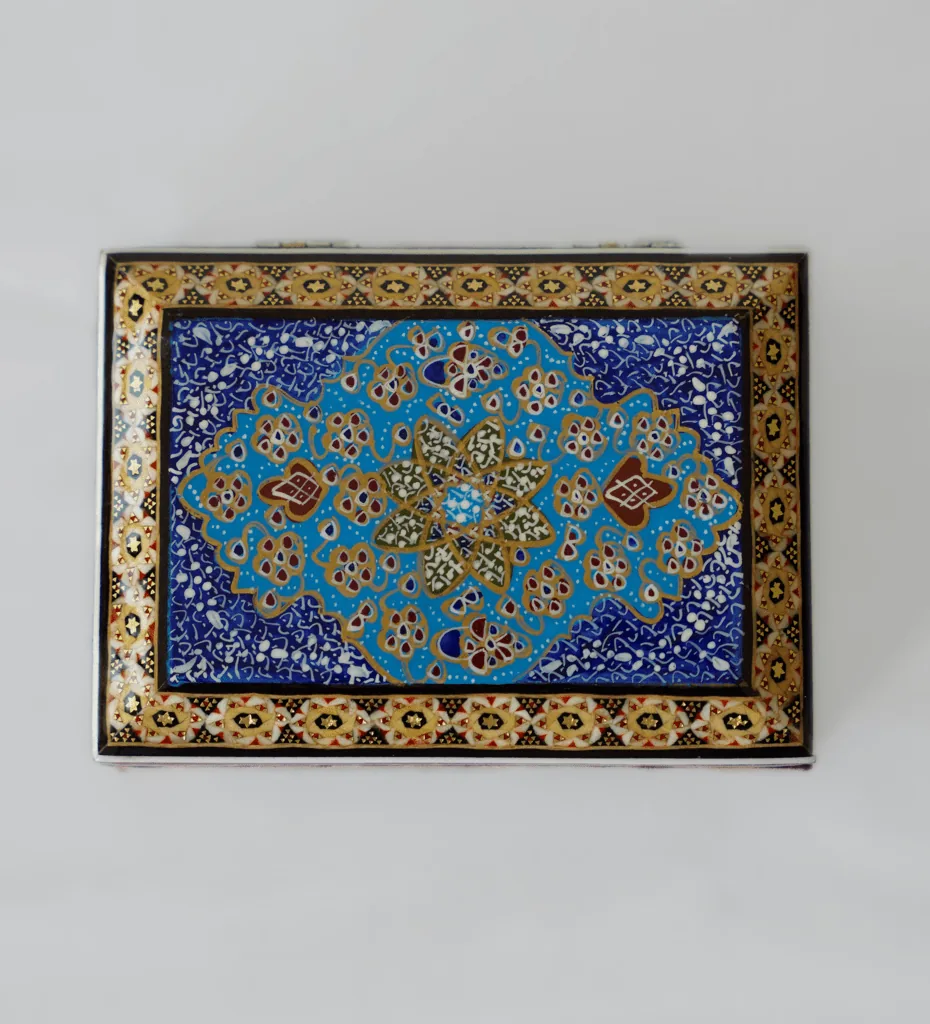
For a collectible bracelet, storage is part of ownership. A small keepsake box can protect the piece while giving it a place in a room. Pilardi's Handmade Wooden Jewelry Box, Sadaf Long Box is made for keeping jewelry and other small objects, so it can work as a display-minded storage choice when the bracelet is not being worn.
Inspect the cord
Check the knot and braid each time you put the bracelet on. Look for fuzz, thinning, stretched sections, or a knot that has begun to slip. Stop wearing it when the cord looks weak. Repair is easier before the bracelet breaks and scatters its beads.
Never pull a bracelet over the hand with force. That puts sudden strain on the cord and can chip beads against one another. Roll an adjustable bracelet open instead of dragging it across the skin.
By now you should have: a care routine based on dry storage, gentle cleaning, and regular cord checks.
Step 6: Evaluate Provenance, Price, and Ethical Sourcing
Price can help you ask better questions, but it cannot prove that a natural stone bracelet is genuine. A high price may reflect rare material, skilled labor, intricate macramé, or strong design. It may also reflect weak claims and polished marketing.
Judge the price by the whole piece
Ask what you are paying for. A simple strand of common beads should be assessed differently from a hand-braided bracelet with unusual stone, careful finishing, and clear provenance.
- Is the stone named clearly?
- Are treatments disclosed?
- Is the cord hand-braided or machine-made?
- Does the maker explain where the piece was made?
- Are bead size and materials stated?
- Does the design show skill in the knot, finish, and balance?
Be wary when a seller uses price as the only proof of authenticity. A costly bead can still be dyed glass. A modestly priced stone can still be genuine. Ask for material facts instead of relying on words such as “rare,” “powerful,” or “museum quality.”
Ask about provenance
Provenance doesn't need to mean a long story. It can be a clear record of the material, the place of making, and the person or workshop responsible for the finished piece. If the seller cannot answer basic questions, the gap matters.
Ethical sourcing also needs plain language. Ask whether the maker knows the stone supplier. Ask how the bracelet was made. Ask if the seller can explain the working relationship with artisans. Don't treat a vague claim about sustainability as proof.
At Pilardi, I keep this information close to the object. The brand is founder-led, and our pieces are handcrafted by artisans in Isfahan, Iran. I curate each one in Paris before international shipment. The collection includes handmade gemstone bracelets alongside Persian mirrors, decorative trays, and other objects made to be worn, displayed, gifted, or collected.
That setting matters because the bracelet is part of a craft practice, not an anonymous bead assembly. The same standard applies when you buy from another maker: look for a specific account of materials and labor, then decide if the object earns its place in your collection.
A one-of-one piece may have small differences in bead tone or braid tension. Those variations should be described honestly rather than hidden. For me, rarity is strongest when it comes from the work itself, not from a made-up scarcity claim.
Final decision rule: buy the bracelet when you understand its material, construction, maker, and care needs. If one of those remains unclear, keep looking.
Natural Stone Bracelet FAQ
How can I tell if a natural stone bracelet is real?
You can look for natural inclusions, varied color, a cool feel, suitable weight, and clean but slightly varied bead holes. These clues can suggest stone, but none proves authenticity alone. Ask about dye, heat treatment, coating, and reconstituted material. For a rare or costly bracelet, seek stronger documentation or an independent gemological opinion.
Which hand should I wear a stone bracelet on?
Wear a stone bracelet on whichever hand feels comfortable and safe. Crystal traditions often link the left hand with inward focus and the right hand with outward action or release. Those ideas are symbolic. Your dominant hand may expose the bracelet to more knocks, so the less-used wrist can be the better daily choice.
What stones go well together in a bracelet?
Amethyst with rose quartz gives a soft color pairing, while aquamarine with rose quartz creates a calm contrast. Tiger's eye can work with darker beads for a grounded look. Keep the design to one main stone and one supporting stone when you want clarity. Pairing traditions are personal beliefs, so let comfort guide the final choice.
Can I wear a natural stone bracelet in water?
You should usually keep a natural stone bracelet out of water unless the maker gives care instructions for that specific design. Water can affect some stones, finishes, macramé, and stretch cord. Remove it before swimming or bathing. If it gets wet, blot it gently and let it dry fully away from strong heat or direct sun.
How do I care for a handmade stone bracelet?
Wipe the beads with a soft cloth and store the bracelet separately in a dry pouch or box. Keep perfume, lotion, soap, and harsh cleaners away from it. Check the knot or braid often. If the cord shows thinning or fraying, stop wearing the bracelet before it breaks and the beads are lost.
Are crystal bracelet healing claims proven?
Crystal healing claims are spiritual or symbolic beliefs, not a substitute for medical care. Many wearers use stones as reminders for calm, courage, focus, or personal reflection. You can honor that meaning without treating a bracelet as medicine. Choose the piece for its material beauty and personal value first.
Conclusion
Choose a natural stone bracelet by looking past color and price. Confirm the material, inspect the craft, choose a comfortable fit, and learn the care needs before you buy. My recommendation is to select one stone with a meaning you can explain, then ask the maker where and how the bracelet was made. That small check often leads to a piece you'll value for far longer.


